Thank you! Your submission has been received!
Oops! Something went wrong while submitting the form.

Democracy is the pride of Britain, but it’s out of date. That’s why ordinary citizens are building the House of the People. It’s a new national voice to decide what people in the UK really want, not just those at the top.
Anyone in the UK can take part. It’s free and open to the public. It belongs to everyone and is funded by your donations. It will listen to science and hear from people from all walks of life.
Rising fascism. Climate collapse.
Social breakdown.
To face these challenges we must change the way decisions are made
with a new chamber of democracy:
A House of the People.
Politics is broken, so people are picking up the tools to fix it.
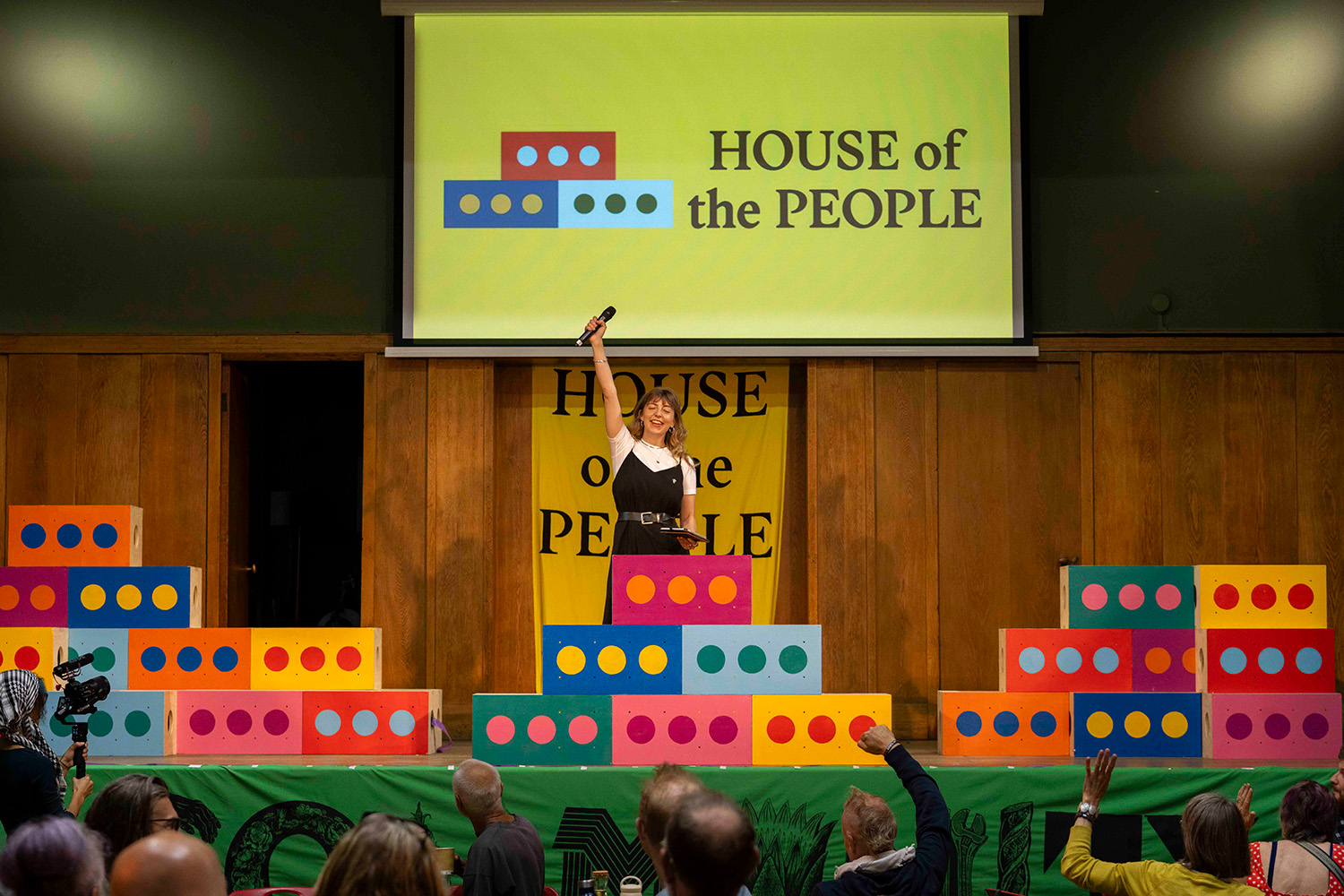
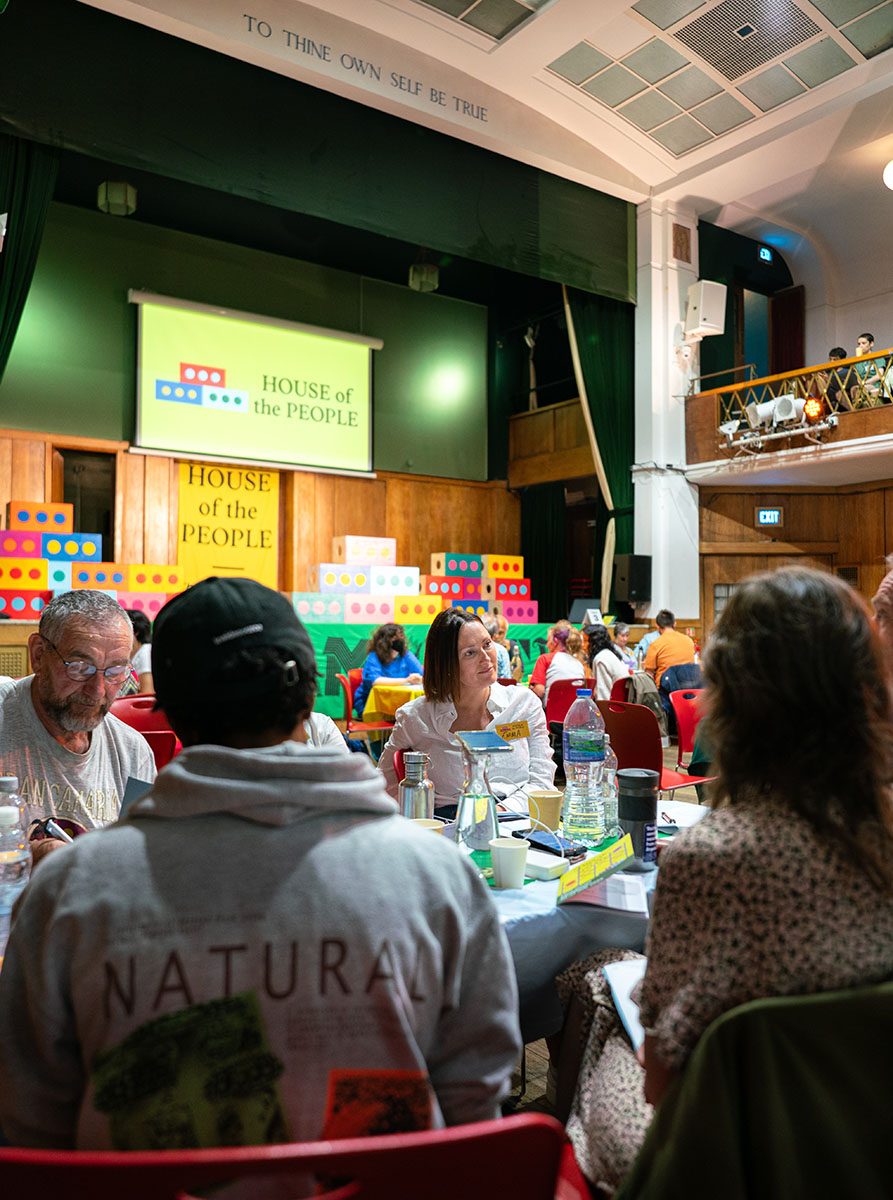
Assemblies are big neighbourhood meetups where people talk about what needs to change, and agree to do something about it. They’re a tool to solve thorny issues where politicians stumble. Each local Assembly shares food, drink, and laughs while writing down 5 key issues they agree on. Call this a ‘Community Charter’ — something to take action on and pass up to the House of the People.
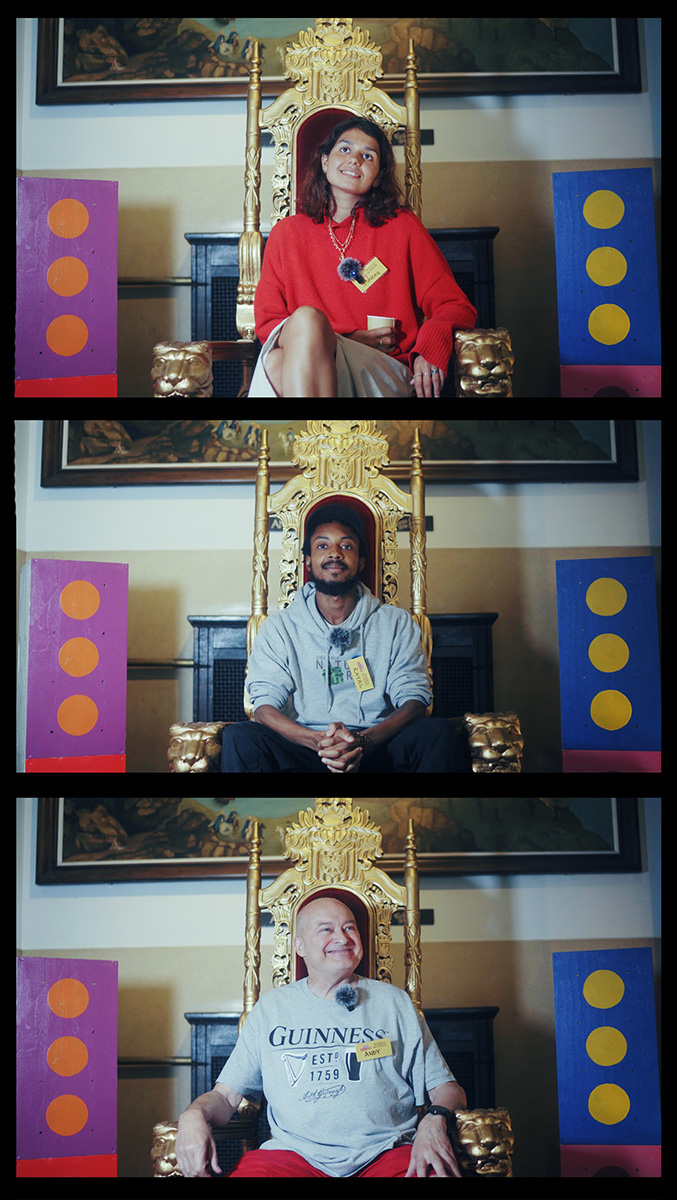
In July 2025, the House of the People was established in its first sitting. Almost one hundred members served — a true cross-section of the public, chosen by democratic lottery. For three days, people talked through the big problems we face and how to fix them. They listened to experts — academics, historians, scientists — and to the voices of thousands of local people in Assemblies all across the UK.
Together, they drew up the People’s Charter: a plan for what to do in the face of climate breakdown, deep unfairness in our economy, unjust wars and broken politics.
The People’s Charter calls power to tax wealth not work, demands we slash political corruption and end complicity in genocide. It puts forward a law above all laws — a future generations act — to choose life over GDP and calls for councils to reclaim our spaces for the community.